
 January 22, 2026
 11 min read
In the high-stakes environment of modern healthcare, the traditional paper chart is rapidly becoming a relic of the past. Storing patient information in physical folders is not only inefficient but carries significant risks—from physical damage like fire and flood to the logistical nightmare of manual retrieval during an emergency. To provide the best possible care, the industry is embracing a digital-first model where Medical Records Digitization acts as the foundation of clinical excellence.
Medical Records Digitization is the strategic process of converting static paper archives into structured, searchable, and highly secure digital assets. This transformation ensures that vital patient history is available at the click of a button, empowering doctors to make life-saving decisions with the most accurate data at hand.
1. The Strategic Value of Electronic Health Records (EHR)
The shift toward Medical Records Digitization is driven by the need for better patient outcomes and operational fluidity. By transitioning to Electronic Health Records (EHR), hospitals unlock several key advantages:
-
Instant Access in Emergencies: When every second counts, having a patient’s full medical history available instantly can prevent fatal errors, such as administering medication that may cause a known allergy.
-
Enhanced Operational Efficiency: Hospitals no longer need to dedicate vast square footage to dusty paper archives. Medical records digitization allows for a paperless office, freeing up space for actual clinical use.
-
Elimination of Handwriting Errors: We are all familiar with the “doctor’s handwriting” trope. Digital medical records solve this by using clear, standardized fonts, ensuring that treatment plans and dosages are never misread.
-
Interoperability: A key pillar of Medical Records Digitization is the ability to share data seamlessly between specialists and facilities, ensuring the patient’s care journey is never fragmented.
2. The Technical Path to Success: EMR Digitization via Medical OCR
The journey of EMR Digitization (Electronic Medical Records) requires a logical, high-tech workflow to ensure that the transition from paper to pixels is flawless.
Step 1: Inventory and Sorting
Before scanning begins, every legacy record must be sorted by date, department, and patient ID. This creates a clear roadmap for the entire EMR Digitization project.
Step 2: High-Fidelity Scanning and Medical OCR
Once organized, documents undergo high-resolution scanning. However, a picture of a page is not enough. This is where Medical OCR (Optical Character Recognition) becomes essential.
-
Medical OCR interprets the image and identifies key data points—names, laboratory values, and clinical diagnoses.
-
It turns an unsearchable picture into a dynamic text file that the hospital’s database can index.
-
This technology is the core engine that allows Medical Records Digitization to happen at an enterprise scale.
Step 3: Quality Assurance (Human-in-the-Loop)
Despite the power of AI, Medical OCR requires a human touch for verification. Specialists check the digital output against the original document to catch any anomalies, ensuring that the patient data entry is 100% clinically accurate.
3. Core Components of Digitized Medical Records
A professionally digitized record is far more than a simple PDF. Medical Records Digitization builds a comprehensive 360-degree view of the patient, including:
-
Demographics & Insurance: Essential patient data entry for administrative and billing efficiency.
-
Clinical History: A chronological list of surgeries, chronic illnesses, and family history.
-
Diagnostic Data: Automated extraction of lab reports and radiology summaries via Medical OCR.
-
Medication & Immunization Logs: A permanent record of every prescription and vaccination, which is critical for preventing adverse drug interactions.
By structuring these components correctly, Medical Records Digitization creates a “digital pulse” that follows the patient throughout their entire life.
4. Security and Compliance for Patient Data Entry
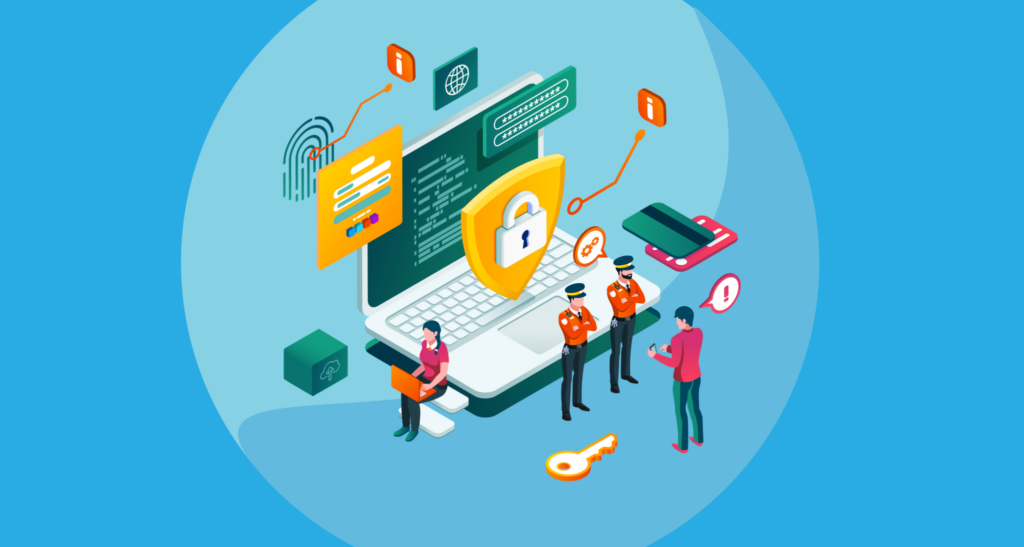
When you digitize medical records, security must be the top priority. Patient data is highly sensitive and protected by global regulations.
-
End-to-End Encryption: Every file must be encrypted both “at rest” (in the server) and “in transit” (when shared online).
-
Role-Based Access Control (RBAC): Not everyone in the hospital needs to see every file. A billing clerk should not have access to a patient’s private clinical history. This maintains Medical Records Digitization privacy.
-
Global Compliance: Healthcare systems must adhere to strict laws such as HIPAA (Health Insurance Portability and Accountability Act) and GDPR (General Data Protection Regulation). (Note: This is your Dofollow external link to an authoritative source).
-
Local Compliance (Decree 13): In regions like Vietnam, protecting personal data is a legal mandate that DOC.AI and imgtoexcel strictly follow.
5. Overcoming the Challenges of Medical OCR
Digitizing legacy records is not without its hurdles. However, advanced AI in Medical Records Digitization can overcome even the most difficult obstacles:
-
Illegible Handwriting: We use Intelligent Character Recognition (ICR) to interpret handwritten notes, moving them accurately into the Electronic Health Records (EHR).
-
Unstructured Data: Narrative notes are often unorganized. We use Natural Language Processing (NLP) to turn these stories into coded data (like ICD-10 codes).
-
Faded Paper Quality: Advanced pre-processing algorithms clean up old, yellowed, or torn documents before the Medical OCR engine begins its work.
6. The Future of Medical Records: AI and Telemedicine
The ultimate goal of Medical Records Digitization is a fully connected healthcare ecosystem.
-
Telemedicine Power: With digitized records, a doctor can conduct a virtual visit with a patient in a remote area, having full access to their history via a secure cloud portal.
-
AI Diagnostics: Digitized data allows AI to scan thousands of records to find early patterns of disease, leading to breakthroughs in predictive medicine.
-
Patient Ownership: Modern EMR Digitization trends are giving patients the ability to access their own records through mobile apps, promoting health transparency.
Conclusion: From Static Archives to Life-Saving Insights
The death of the paper chart is the birth of a faster, safer, and more efficient healthcare system. Medical Records Digitization turns a burden of physical storage into a strategic asset that saves lives every day. By leveraging Medical OCR and structured patient data entry, hospitals can protect the past while embracing the digital future of medicine.
Transitioning to Electronic Health Records (EHR) is not just a technological upgrade; it is a commitment to patient safety and operational excellence. Secure your data, eliminate the filing cabinets, and let the digital pulse of your clinic beat stronger than ever.
Why imgtoexcel is The Right Solution For You?
At imgtoexcel, we are the leading experts in Medical Records Digitization. Our platform utilizes state-of-the-art Medical OCR to handle even the most complex clinical documents and illegible handwriting.
We ensure that your EMR Digitization project is fully compliant with HIPAA, GDPR, and local privacy laws, providing the highest level of security for your Electronic Health Records (EHR). Choose imgtoexcel to transform your messy archives into clear, actionable, and secure digital insights today.
Ready to Automate Your Medical Data?
-
[Get a Free Quote] – Specialized Medical Records Digitization for clinics of all sizes.
-
[Start Free Trial] – Experience the power of Medical OCR with your first 50 pages now!